Home Sale Proceeds Calculator Canada
This home sale proceeds calculator subtracts commission, tax on the fee, legal, and the mortgage payout so you see walk-away cash — not the list price. Commission tax is 5% GST in Vancouver and 14.975% in Montreal. Land transfer tax does not come off your side.
- Mortgage payout
- -$450,000
- Commission
- -$50,000
- Tax on commission
- -$6,500
- Legal / notary
- -$1,500
- Mortgage discharge
- -$350
- Staging, repairs, moving
- -$2,000
- Net proceeds
- $489,650
49.0% of the sale price. HST (13%) on commission.
Estimate only. The listing agreement, the payout statement, and the statement of adjustments are the numbers that actually close. Tax on commission is HST (13%); it is not negotiable even when the rate is.
Calculators by city
Each page is preloaded with that city’s typical sale price, commission structure, tax on the fee, and what the seller actually pays the lawyer or notary.
Toronto, ON
$56,500 commission + tax on $1,000,000

Mississauga, ON
$56,500 commission + tax on $1,000,000
Brampton, ON
$53,110 commission + tax on $940,000
Ottawa, ON
$36,725 commission + tax on $650,000

Hamilton, ON
$42,940 commission + tax on $760,000

Vancouver, BC
$35,438 commission + tax on $1,170,000
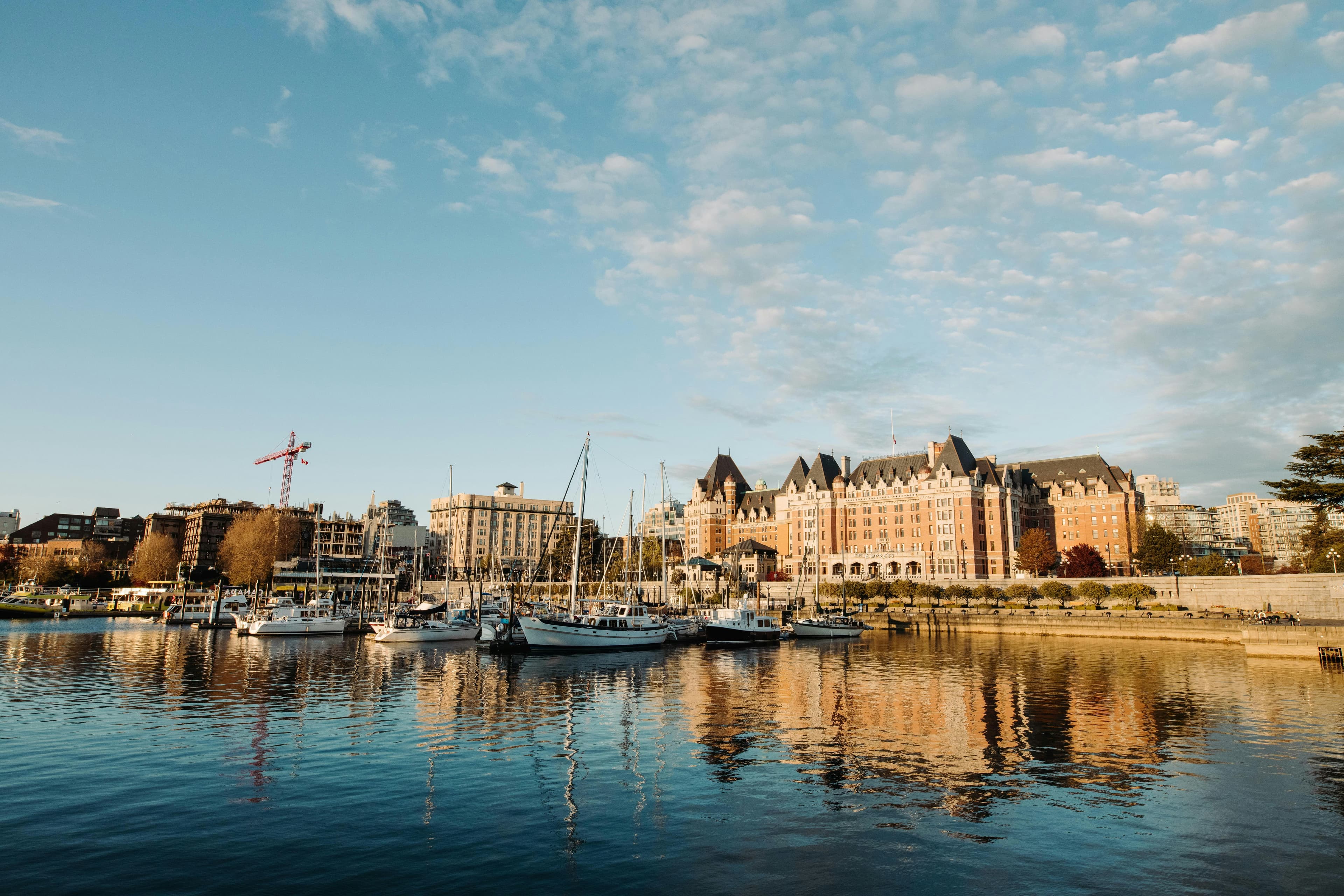
Victoria, BC
$27,038 commission + tax on $850,000

Calgary, AB
$22,470 commission + tax on $580,000

Edmonton, AB
$17,745 commission + tax on $430,000

Montreal, QC
$31,618 commission + tax on $550,000

Winnipeg, MB
$21,000 commission + tax on $400,000

Halifax, NS
$29,900 commission + tax on $520,000
Same sale price, different tax on the fee
Drag the price. The bars are commission plus tax, plus that city’s default legal and discharge — the cost of listing, not the mortgage. Toronto and Halifax climb because of HST. Vancouver stays lower because BC’s 7% is only the first $100,000 and GST is 5%.
Commission at each city’s typical structure, plus that city’s default legal and discharge. Mortgage payout is omitted so the chart compares the cost of listing, not equity.
| City | Typical price | Commission + tax | + legal & discharge |
|---|---|---|---|
| Toronto | $1,000,000 | $56,500 | $58,350 |
| Mississauga | $1,000,000 | $56,500 | $58,350 |
| Brampton | $940,000 | $53,110 | $54,860 |
| Hamilton | $760,000 | $42,940 | $44,690 |
| Ottawa | $650,000 | $36,725 | $38,475 |
| Vancouver | $1,170,000 | $35,438 | $37,238 |
| Montreal | $550,000 | $31,618 | $32,668 |
| Halifax | $520,000 | $29,900 | $31,500 |
| Victoria | $850,000 | $27,038 | $28,738 |
| Calgary | $580,000 | $22,470 | $23,970 |
| Winnipeg | $400,000 | $21,000 | $22,500 |
| Edmonton | $430,000 | $17,745 | $19,145 |
What actually comes off the sale price
Commission is the large line. The tax on that commission is the line most US-templated calculators get wrong: it is 5% GST in Calgary and 15% HST in Halifax. Legal work is not the same file in Montreal as in Mississauga — Quebec’s Civil Code article 1723 makes the seller purge hypothecs, so you pay the quittance; the buyer usually pays the deed notary. Ontario condo status certificates are capped at $100 including tax under O. Reg. 48/01 s. 18(2). Land transfer tax never belongs on this sheet.
The wild card is the mortgage. FCAC tells lenders to charge the greater of three months’ interest or the interest-rate differential. Their published example on a $200,000 balance at 6%, 36 months left, 4% comparison rate, is $3,000 versus $12,000. Commissioner Guidance CG-9: a simplified estimate may come in higher than the lender’s actual charge. Request a payout statement before you list.
Sold in under 365 days
Ranking net-sheet tools treat the principal residence exemption as automatic. CRA folio S1-F3-C2 is stricter: a housing unit (or a right to acquire one) owned less than 365 consecutive days is a flipped property under ITA 12(12)–12(14). The gain is deemed business income. The exemption is not available. A loss is deemed nil. Life-event exceptions exist — death, illness, marriage breakdown after 90 days apart, an eligible relocation at least 40 km closer to work or school, involuntary job loss, insolvency, destruction or expropriation.
Even a fully exempt sale still has to be reported on Schedule 3 and designated on Form T2091(IND). Land in the exemption is usually capped at half a hectare (1.24 acres) unless the municipal minimum lot is larger.
Non-resident withholding is not 25% of the list price
CRA IC72-17R6: a certificate of compliance is prepaid at 25% of proceeds minus adjusted cost base. Selling costs are not subtracted in that prepayment. Without Form T2064 or T2068, the purchaser withholds 25% of gross proceeds (50% on some property). Subsection 116(8) lets CRA refuse the certificate if Underused Housing Tax returns are outstanding — so the withholding can sit on closing even when the gain is small.
Frequently asked questions
How do I calculate home sale proceeds in Canada?
Start with the sale price. Subtract the mortgage and any HELOC, commission plus the sales tax on that commission, legal or notary fees, the lender’s discharge, and any penalty for breaking the term. What is left is the cash on the statement of adjustments — before you spend it on the next place.
Do sellers pay land transfer tax in Canada?
No. Land transfer tax, property transfer tax, welcome tax, and Halifax deed-transfer tax are buyer costs. Ranking calculators that tuck “transfer tax” into a seller net sheet are using a US template.
Why does tax on commission change by city?
Because the tax is provincial, not municipal. Ontario is 13% HST. Atlantic Canada is 15% HST. Quebec is 14.975% GST + QST. BC, Alberta, and Manitoba are 5% GST. The listing rate is negotiable; the tax rate is not.
What is a mortgage break penalty?
FCAC’s description: the greater of three months’ interest on the remaining balance, or the interest-rate differential. Their worked example on $200,000 at 6% with 36 months left and a 4% comparison rate is $3,000 versus $12,000. Ask the lender for a payout statement before you list.
Do I pay tax on the profit if this is my home?
Usually no, if it was solely your principal residence for every year you owned it. You still have to report the sale on Schedule 3 and file Form T2091(IND). CRA only allows the exemption if you designate the property. Land in the exemption is usually capped at half a hectare. A house owned less than 365 days is a flipped property: the gain is business income, the exemption is not available, and a loss is deemed nil.
I am a non-resident. How much is withheld?
CRA Information Circular IC72-17R6: to get a certificate of compliance you prepay 25% of proceeds minus adjusted cost base — selling costs are not deducted in that prepayment. Without the certificate the purchaser withholds 25% of gross proceeds (50% on some property). CRA can refuse the certificate if Underused Housing Tax filings are outstanding.
More free tools
Split the fee itself with the real estate commission calculator. If you are buying next, budget the other side with the closing costs calculator.
Sources
- FCAC: mortgage prepayment penalties (worked example $3,000 vs $12,000)
- CRA folio S1-F3-C2: principal residence and flipped-property rules
- CRA IC72-17R6: section 116 certificates (25% of proceeds minus ACB)
- O. Reg. 48/01 s. 18(2): Ontario status certificate fee cap $100 including tax
- Civil Code of Québec, art. 1723: seller must purge hypothecs