
Selling Guides · Updated October 29, 2026 · 9 min read
How to Sell My House Fast in Toronto: Price, Terms and Timing
If you want to sell your house fast in Toronto, price it sharply, keep the terms clean, and make any cash buyer beat the 5.65 percent a listing would cost you.
Follow our guides as a preferred source in Google Search
To sell a house fast in Toronto, list it on the MLS at a sharp price with clean terms, and take a cash offer only if it lands above about 94 percent of market value. Below that, a cash buyer costs you more than the 5.65 percent that commission and HST would have.
Selling quickly comes down to three phases: getting the house ready, getting as many buyers through it as possible, and choosing the offer that closes soonest. Start by using the Toronto realtor interview questions to shortlist two or three agents, then work through the tips below in order.
1. Before listing: get the house ready to sell
Most of a fast sale is decided before the sign goes up. Hire the right agent, make the house look newer and brighter, and above all price it realistically.
Step 1: Find a local real estate agent
Hire an agent who has sold in your neighbourhood in the last few months. They know which buyers are active on your street and what the nearby sales really closed at.
Browse and compare real estate agents in Toronto, then interview two or three and ask each for a written price opinion, a marketing plan and their fee. Commission is negotiable, so compare it against what they will actually do.

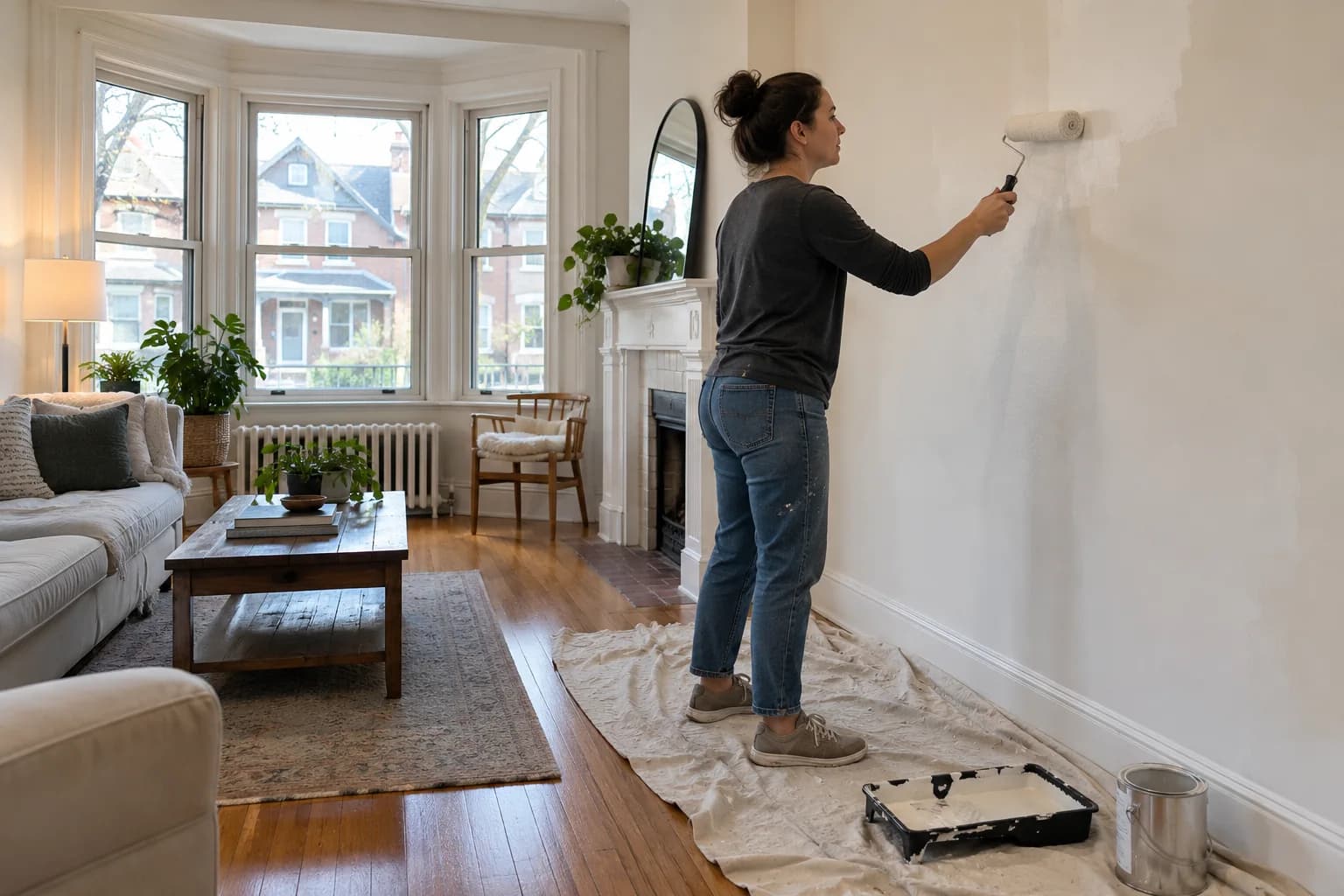
Step 2: Add a fresh coat of paint
Repaint in a light, neutral colour. It is one of the cheapest changes that makes a house look cleaner, brighter and newer in photos.
Cover scuffs, bold colours and dated accent walls first. A painter can usually finish a house in days, not weeks.
Step 3: Change dated fixtures
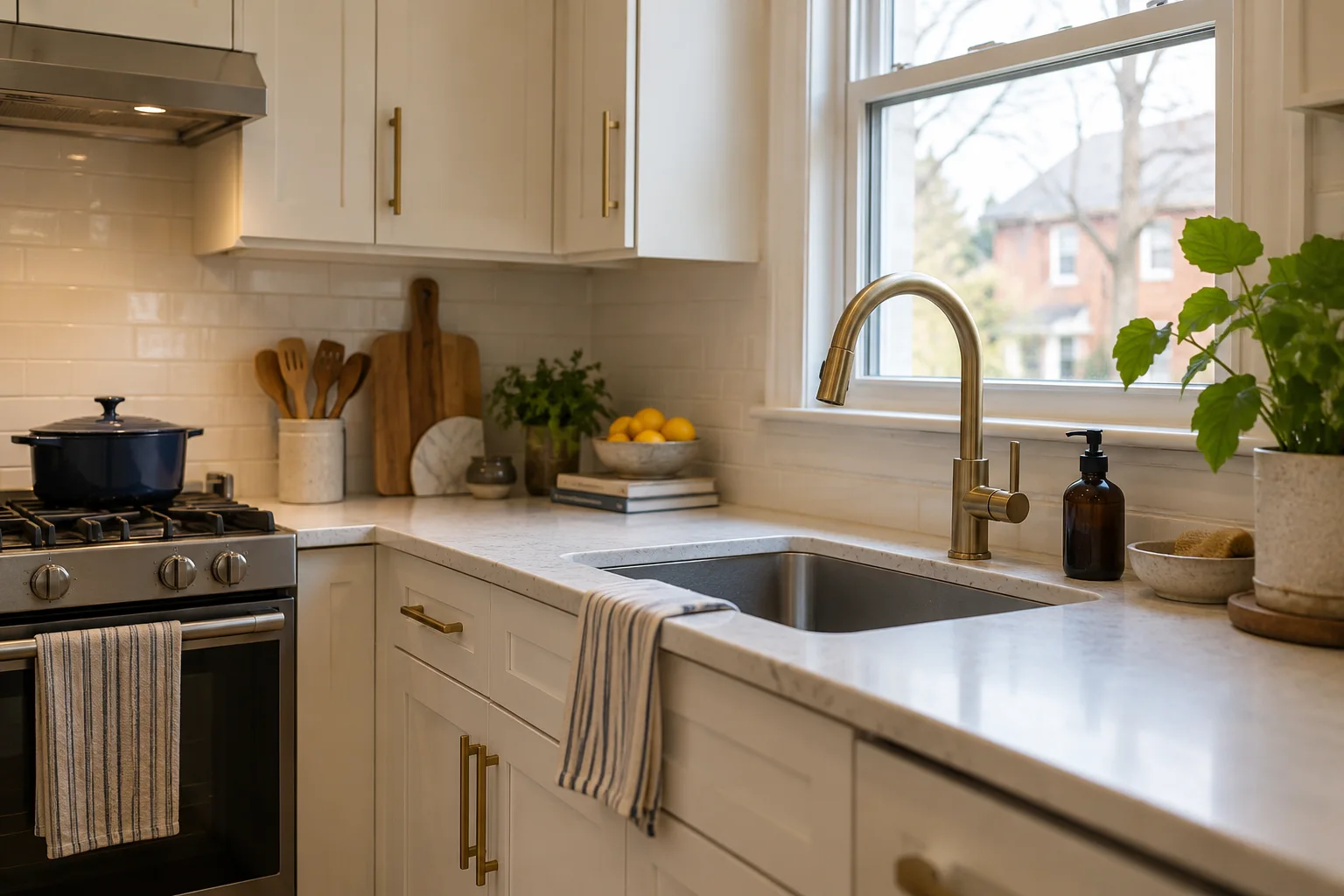
Replace worn light fixtures, cabinet hardware, faucets and switch plates. Small hardware swaps make a kitchen or bathroom feel updated without a renovation.
Skip anything that needs a permit or a long lead time. You are trying to list in weeks, not remodel.
Step 4: Have an interior designer review the space
Book a short consultation with an interior designer to look for the wow factor. They will spot layout, lighting, colour and furniture changes you have stopped noticing after years of living there.
Ask for a short list of changes you can finish before photos. Focus on the entry, the living room and the kitchen, since those rooms drive the first impression.
Step 5: Stage the home
Declutter, remove personal items and bring in staging furniture and decor so each room has a clear purpose. Staged rooms photograph better, and most buyers decide from the listing photos before they book a showing.
Professional staging is worth considering if you are moving out already or the rooms are empty. Have the photos and floor plan done after staging, not before.
Step 6: Price realistically, the most important step
Realistic pricing does more for the speed of your sale than paint, staging or marketing. An overpriced house gets fewer showings, sits, and ends up selling for less after the price cut anyway.
- Use sales from the last 60 days. A comparable from early in the year is stale in a falling market.
- Ignore what you paid and what you need. Buyers price your house against the other homes they can tour this weekend.
- Adjust for condition honestly. If the comparable has newer finishes than yours, your price should reflect that.
- Watch the first two weeks. Few showings or no offers means the price is wrong, so change it before you change the photos.
The composite benchmark is down 4.7 percent over twelve months to September, so price off recent sales and not last spring.
Condos are falling faster than houses. In September the average GTA condo apartment price was down 7.7 percent from a year earlier against 5.1 percent for detached.
Supply is thinner, though. TRREB reported new listings down 14.4 percent and active listings down 9.3 percent from a year ago, so a well priced house is not competing with as many others as last year. The Toronto housing market report tracks these numbers monthly.
TRREB Market Watch, September 2026, as reported by Zoocasa. Price changes are year over year.

Step 7: Compare any cash offer to your listing net
List on the MLS unless the house is unsellable on the open market or you need to close in days. A cash buyer saves you the commission and charges you for it in the offer.
At 5 percent commission plus 13 percent HST, a $1 million sale costs $56,500 to list, which is 5.65 percent of the price. A cash offer has to land above 94.35 percent of market value to beat the listing, before prep and carrying costs.
| Route on a $1M house | Sale price | After 5% + HST | Net before mortgage |
|---|---|---|---|
| MLS listing at market | $1,000,000 | $56,500 | $943,500 |
| Cash offer at 95% | $950,000 | $0 | $950,000 |
| Cash offer at 90% | $900,000 | $0 | $900,000 |
| Cash offer at 80% | $800,000 | $0 | $800,000 |
Cash buyers price in their own profit and repair costs. Police in Ontario have warned that unsolicited “we buy houses” offers can come in as low as 65 percent of market value, and a reported CBC case saw a seller’s $575,000 cash deal cut to $550,000 the next day.
Run your own numbers, including mortgage payout and penalty, in the Toronto sale proceeds calculator. FCAC’s rule of thumb is that the lender charges the greater of three months’ interest or the interest rate differential, so ask for a payout statement before you list.
Commission and HST figures: Ontario commission convention and 13% HST on the fee. OPP warning via L&A OPP and Grenville OPP notices; CBC reporting on an Ontario cash buyer dispute. Cash buyer discounts vary by buyer and condition, and 65 percent is a police warning, not a standard rate.
Step 8: List in spring if you can wait
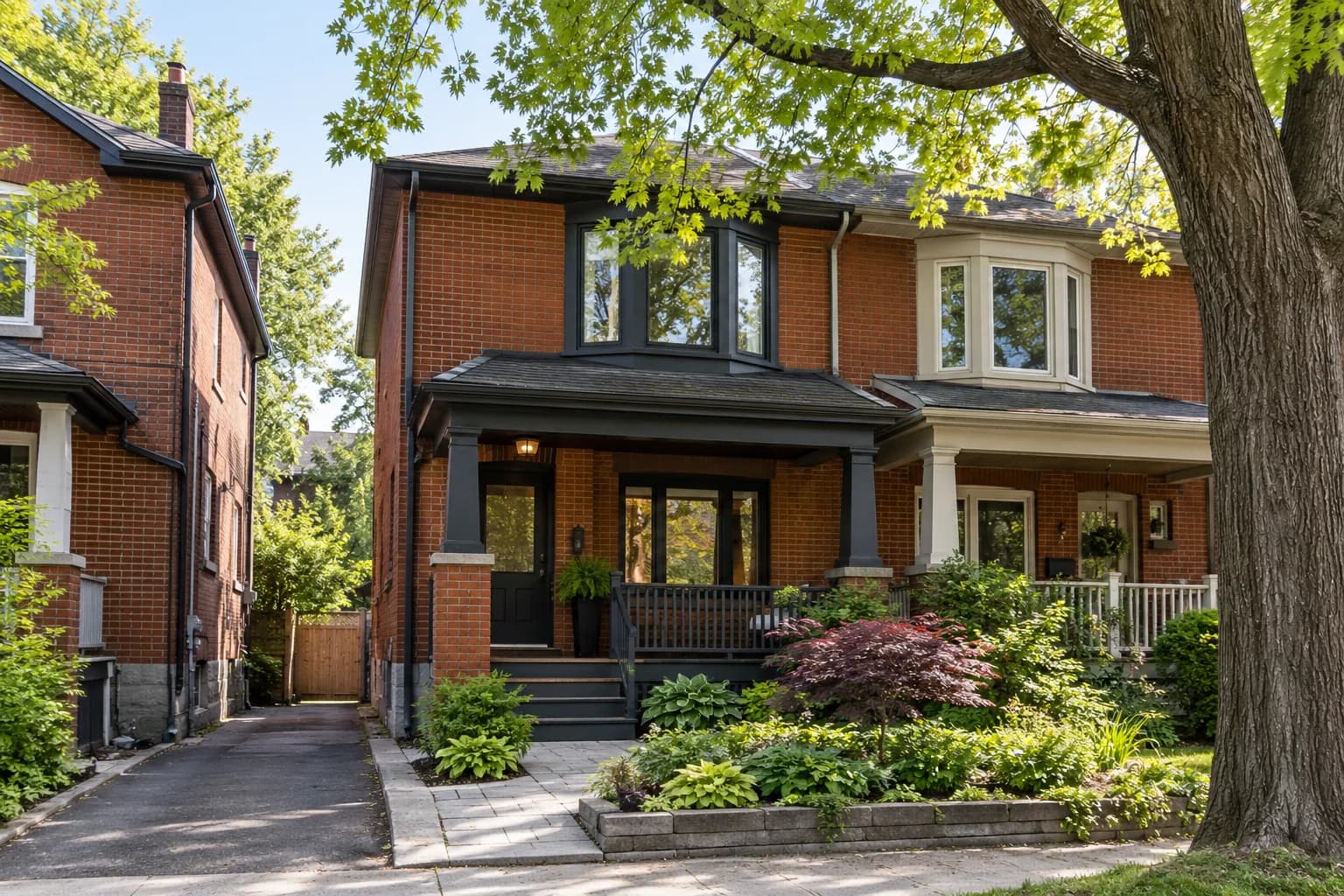
Spring is the historical answer, and May is the month most often named. Late fall and winter are the slowest, so a listing in those months should be priced a step sharper. The FAQ at the end has the best and worst months.
Do not hold a house for months to catch May if waiting costs more than the seasonal bump is worth. On a $1 million house with a $450,000 mortgage, each extra month costs about $2,900, and a 1 percent price cut is worth about three and a half months of that.
| Monthly carrying cost | Assumption | Per month |
|---|---|---|
| Mortgage interest | $450,000 at 5% | $1,875 |
| Property tax | 0.767311% of $1,000,000 | $639 |
| Utilities and insurance | Estimate | $350 |
| Total | About $2,864 |
Toronto 2026 residential tax rate of 0.767311%. Interest and utilities are assumptions, not market data. Swap in your own numbers.
2. During listing: be out so buyers can tour
Visibility sells houses fast. The easier it is for buyers to walk through at any hour, the sooner you get offers.
Step 1: Make sure your agent is marketing it everywhere
Ask for a written marketing plan before you sign, and check that it goes beyond an MLS entry. More channels mean more buyers see the house in the first two weeks, which is when most offers come.
| Channel | What it does |
|---|---|
| MLS and professional media | Puts the listing in front of every agent and buyer search, with photos, video and a floor plan. |
| Paid ads | Social and search ads push the listing to buyers who are not already looking at your street. |
| SEO and the agent’s website | A dedicated listing page that can be found in search, not just a link on a portal. |
| Referral network | The agent calls other agents and past clients who may have a buyer ready. |
| Email blasts | Sends the listing to the agent’s buyer list and to local agents. |
| Geofencing | Shows ads to phones near open houses and competing listings. |
Ask for a weekly report with views, showings and inquiries. If the numbers are low, ask what the agent will change that week.
Step 2: Be out of the house, and go vacant if you can
Move out before you list if your plans allow it. An empty, staged home can be shown at any time with no notice to work around.
If you must stay, leave for every showing and take pets with you. Buyers look at a house more openly when nobody is there, and a seller who hovers makes them rush.
Step 3: Say yes to every showing request
Give your agent open access, including evenings and weekends, through a lockbox or showing service. Every refused time slot is a buyer who may book a different house instead.
Keep the home show-ready between visits: beds made, counters clear, lights on. A same-day request is often from a buyer who is ready to offer.
Step 4: Set an offer date and keep the terms simple
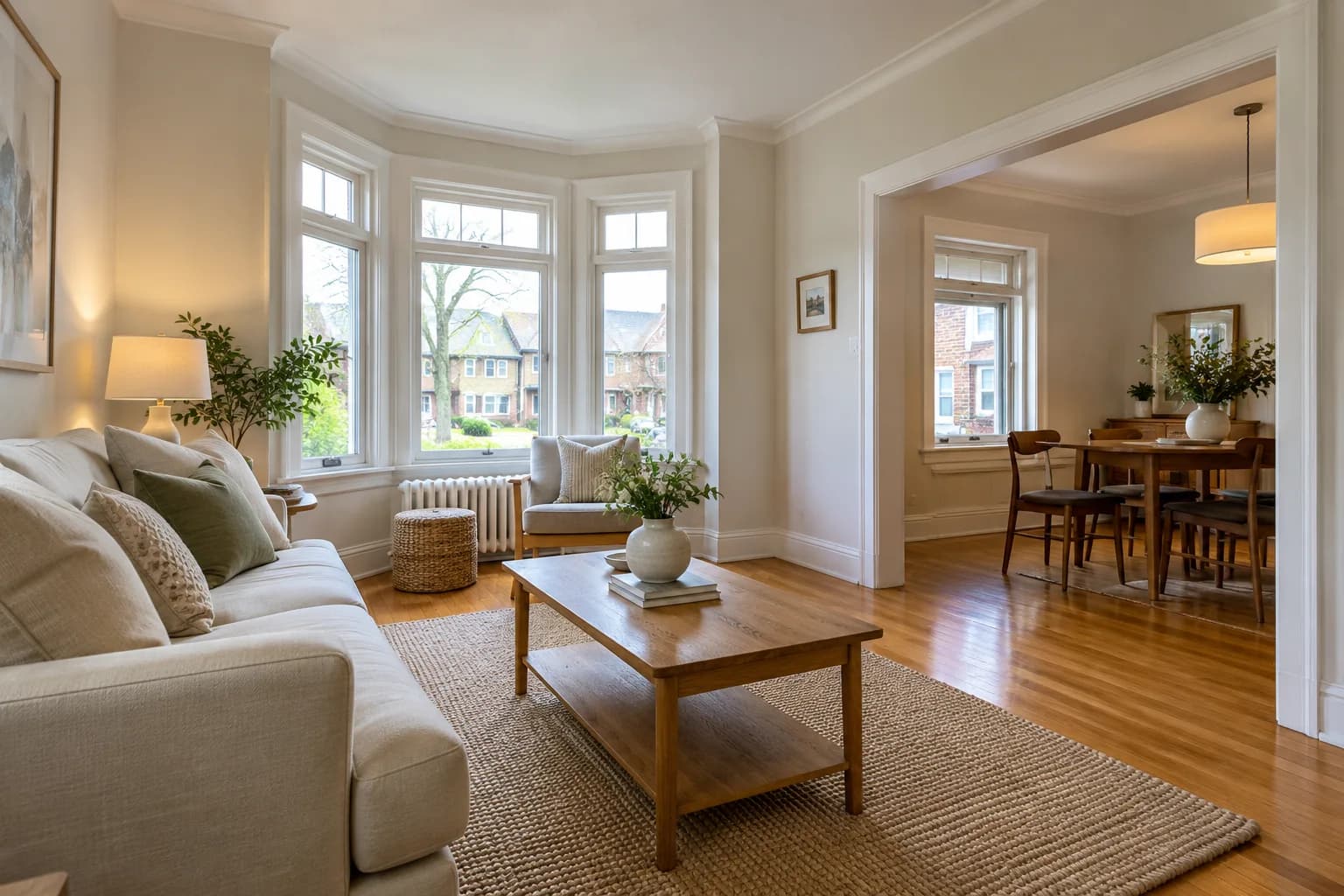
Choose an offer date about a week after listing so buyers compete at the same time. Make it easy to say yes by removing reasons to add conditions.
- Pre-listing inspection: A report you share up front removes the buyer’s biggest reason to condition the offer.
- Condo documents: Order the status certificate early. Ontario caps it at $100 including tax, with 10 days to deliver.
- Flexible possession: Offer a short closing, or a rent-back if you need time.
Condominium Authority of Ontario, status certificate cap and timing (O. Reg. 48/01). Have a real estate lawyer review every agreement of purchase and sale.
Step 5: Follow a 30 day timeline
Four weeks is a realistic target for a firm deal if you prepare in parallel. It is a plan, not a guarantee.
| When | What to do |
|---|---|
| Days 1 to 3 | Interview agents, get a price opinion, request your mortgage payout statement. |
| Days 4 to 10 | Paint, swap fixtures, meet the designer, stage and declutter. |
| Days 10 to 14 | Photos, floor plan, listing copy, a set offer date, and the paid ads, email blasts and geofencing ready to launch. |
| Days 14 to 21 | Keep the home vacant and open for showings, then review offers on the offer date. |
| Days 21 to 30 | Accept the best offer, clear conditions, and book your lawyer for closing. |
If no offer arrives within the first two weeks, change the price before you change the photos. For the neighbourhood you are selling in, start from the Toronto neighbourhood guides.
3. After listing: review offers and accept the best one
The best offer is not always the highest price. Weigh price, conditions and closing date together, and favour the shortest closing that nets you the most.
Step 1: Review every offer side by side
Have your agent lay each offer out on one page: price, deposit, conditions, closing date and anything the buyer wants included.
A clean offer with no conditions beats a higher one that depends on the buyer selling their own home. Ontario resale has no statutory cooling-off period, so once a buyer waives their conditions the deal is firm.
Step 2: Accept the best offer with the shortest closing date
When two offers are close in price, take the one that closes sooner. Each extra month you own the house costs about $2,900 in the example above.
| Offer | Price | Closing | Carrying cost to close | Net of carrying cost |
|---|---|---|---|---|
| A: higher price, long close | $1,000,000 | 90 days | About $8,600 | About $991,400 |
| B: lower price, short close | $990,000 | 30 days | About $2,900 | About $987,100 |
Here the higher offer still wins by roughly $4,300, so a $10,000 price gap is worth more than two months of earlier closing. Close the gap to a few thousand dollars and the shorter closing wins.

Step 3: Clear conditions and keep your lawyer in the loop
Send the signed agreement to your lawyer the day the offer is accepted, and track every condition deadline. A financing or inspection condition is the usual cause of delay.
Ask for each waiver in writing the day it is cleared. Until then the deal is not firm.
Step 4: Know what closing day deducts
Budget roughly $1,200 to $2,000 for your lawyer and disbursements, $200 to $400 to discharge the mortgage, and any penalty your lender charges.
Your lawyer pays out the mortgage, prepares the statement of adjustments and sends you the balance. Property tax and utilities you prepaid past closing are credited back to you, and land transfer tax is the buyer’s cost.
Ranges are typical Toronto figures from this site’s sale proceeds data. Confirm your own numbers with your lawyer and lender.
Step 5: Hand over the keys and report the sale
Leave the home empty and broom clean, and hand over the keys when your lawyer confirms the funds have arrived.
A principal residence sale is usually exempt from tax, but you still report it on your return. Ask an accountant if you are unsure whether the exemption applies to you.
FAQ
What is the best time to sell your home in Toronto?
Spring, and May most often. A Dwelly analysis of Toronto data from 2003 to 2019 found April and May had the lowest average days on market, and a TheRedPin review reported in 2015 named May the best month. Autumn is the second window, but treat these studies as a seasonal pattern and not a forecast.
What is the worst time to sell your home in Toronto?
January, with the holiday period around it. The same TheRedPin review named January the weakest month, and late fall and winter are generally slower. If you must list then, price a step sharper and make the house easy to tour.
Should I sell my house fast to a cash buyer in Toronto?
Only if the offer clears about 94 percent of market value or your deadline forces it. At 5 percent commission plus 13 percent HST, listing costs 5.65 percent of the price, so a deeper discount costs you more than the commission you saved.
Should I sell my house myself (FSBO) in Toronto?
Not unless you have real experience selling property. You would handle pricing, marketing, showings, negotiation and the agreement of purchase and sale yourself, and an overpriced or poorly marketed listing is the opposite of a fast sale. You still need a real estate lawyer, and you give up the MLS exposure and RECO oversight that come with a listing agent.
The bottom line
To sell a house fast in Toronto, prepare it, price it from recent sales, keep it vacant and open for tours, and accept the best offer with the shortest closing date.
Take a cash offer only if it clears about 94 percent of market value or your deadline forces it. Speed that costs 20 percent of your price is not speed worth buying.