
Buying Guides · Updated September 13, 2026 · 16 min read
Buying a Home vs Condo in Toronto
Most first-time buyers land a condo. A house inside the old city is a different cash stack, a different offer room, and the same residential tax rate on a larger assessment.
Follow our guides as a preferred source in Google Search
Buying a home vs condo in Toronto is usually a price and location decision, not a lifestyle slogan. City of Toronto apartment HPI was $551,900 in July 2026 and detached was $1,455,200, so most first-time buyers should buy the condo unless cash, income, and the offer actually fit a house.
Work the comparison in that order: what a condo gives you, what a house gives you, what the 2026 market is doing, then lifestyle, location, first-time rules, and a framework you can actually use.
The last two sections are the filings ranking pages skip: occupied condos pay the same 0.767311 percent tax rate as houses, and a status certificate binds the corporation.
1. Condo: what you get, and what you give up
A Toronto condo is the first-time product because of the price, the locations, and lock-and-leave. You buy a unit plus a share of a corporation, not the building.

| Pros | Cons | |
|---|---|---|
| Price | Typical first purchase about $540,000 to $670,000 | Fees every month, and a special assessment if the reserve is thin |
| Location | King West, Liberty Village, Davisville, Lakeshore, Mimico towers | The same catchments rarely produce a first-time house |
| Living | Lock-and-leave, amenities, someone else does the envelope | Pets, renovations, short-term rentals, and elevator slots are in the rules |
| The file | Sitting listings often take financing and a status certificate | A suite inspection does not cover the garage or the roof |
| New vs used | Resale is one close, HST-exempt, a 5 percent deposit | Pre construction is a contract on plans, occupancy, and a $20,000 Tarion condo backstop |
A condo townhouse still has a corporation. Stairs and a door on the street do not make it a freehold house.
A sales-centre floor plan is a third product. Deposits, occupancy, and Tarion’s condo backstop live in the pre construction condo vs resale guide.
2. House: what you get, and what you give up
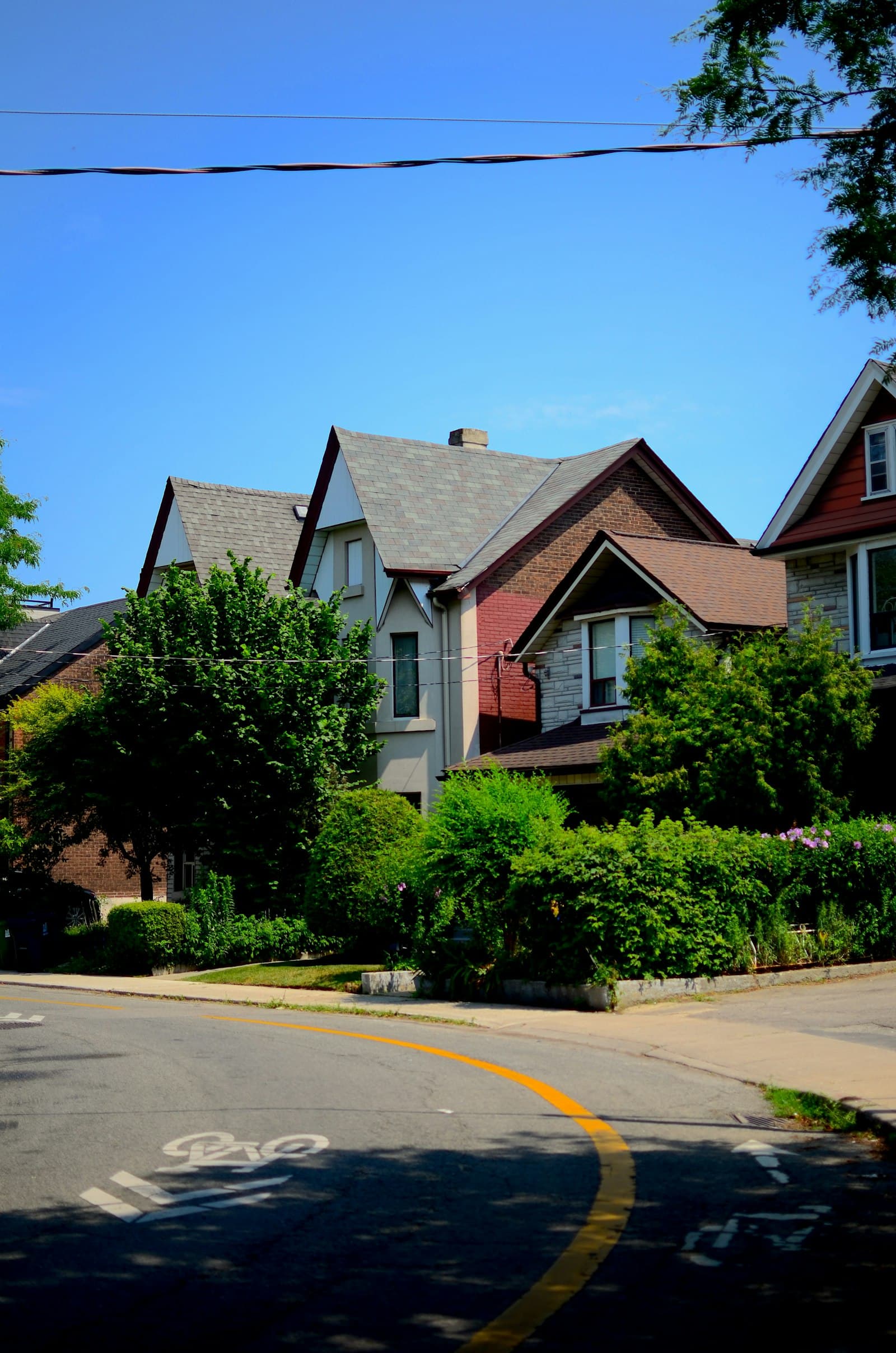
A house buys you the envelope, the laterals, and usually a yard. Inside the old city that is a different income, a different cash stack, and often an offer night.
| Pros | Cons | |
|---|---|---|
| Price | You own the lot and the envelope | Detached HPI $1,455,200; towns $725,300. Minimum down on detached is about $120,500 |
| Location | Junction, Mimico village, Leslieville, the Danforth still produce houses | Those streets are two incomes or family help, not a typical first purchase |
| Living | You set the rules. No monthly common-element fee | You are the reserve fund when the roof, furnace, or laterals fail |
| The file | A visual inspection plus a sewer camera and a Property Information Report | Offer-night houses often will not wait for those conditions |
| Tax and carry | No condo fee line on the mortgage application | The tax bill follows a larger assessment at the same residential rate |
A freehold townhouse is closer to a house than to a condo apartment. You still may share a wall or a driveway, and you still pay when the envelope fails.
3. What the 2026 market is actually doing
Condos have fallen harder than houses. That is why the first-time product is an apartment, and why a blended GTA average is the wrong number for this choice.
City of Toronto HPI, July 2026
Apartment HPI is $551,900, -7.09 percent year over year. That is about $42,116 below the implied July 2025 figure of $594,016.
Click a bar to pin the type. Implied July 2025 is the published year-over-year reverse, not a separate TRREB table.
TRREB, MLS Home Price Index public tables, July 2026. City of Toronto row, not the GTA composite.
Averages hide the type split
August figures are all types blended. Year-to-date GTA detached versus condo apartment is the type split the blended $993,410 average hides.
In August 2026 TRREB reported 5,057 GTA sales at an average of $993,410, and 1,767 City of Toronto sales at $979,684. The city’s sales-to-new-listings ratio sat at 38.3 percent, with 46 days on market.
HPI by type is the cleaner comparison because it holds the mix of sales constant. Appreciation slogans that assign houses 6 percent and condos 4 percent are not a filing.
4. Lifestyle is rules versus the envelope
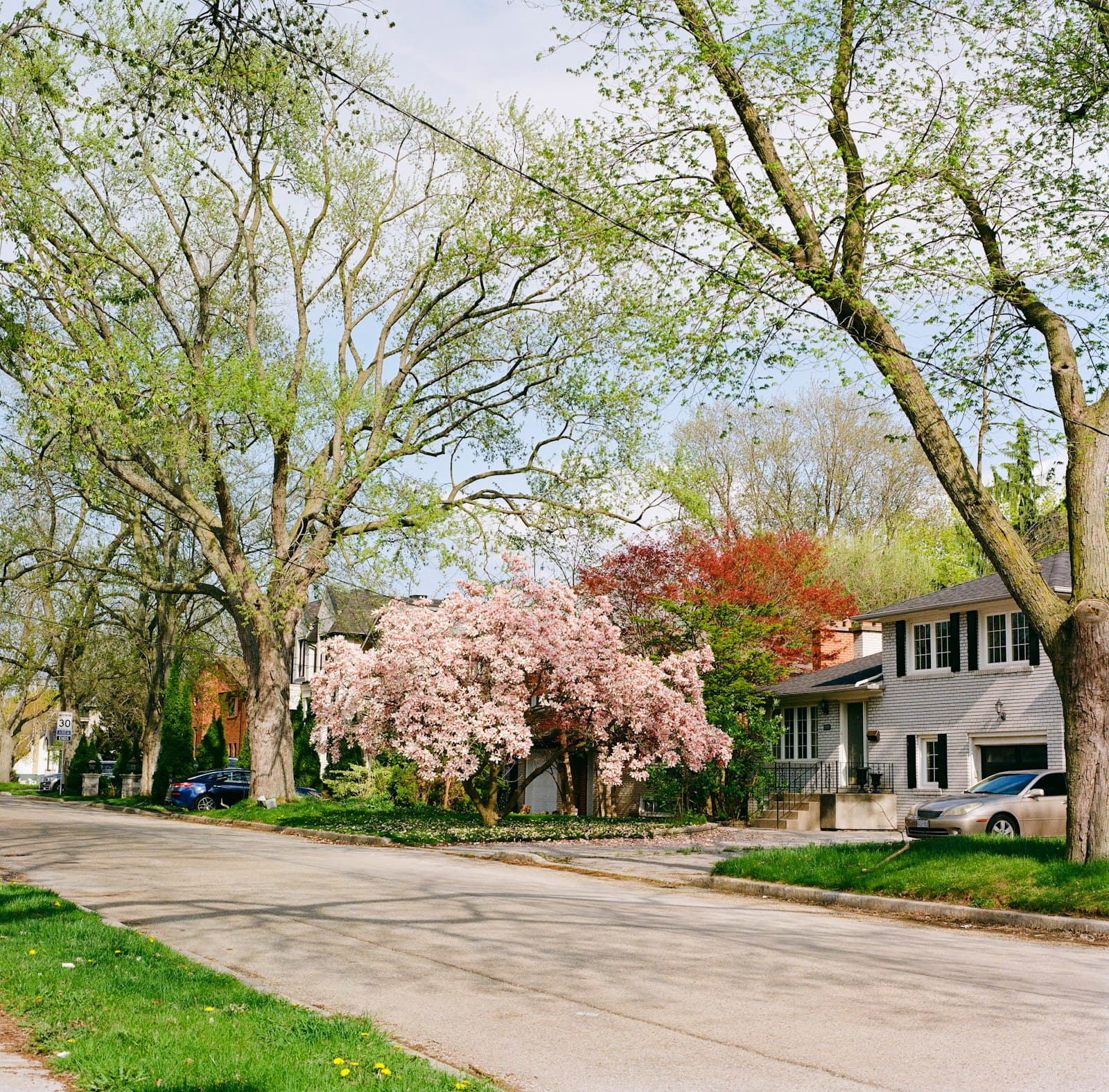
A condo buys lock-and-leave and a rulebook. A house buys the yard and the work that comes with it.
- Condo: pets, renovations, barbecues, and moving-elevator slots live in the declaration and rules.
- Condo: someone else does the roof, the garage, and the boiler. You pay monthly, or in a lump if the reserve is short.
- House: you set the rules, you shovel, and you pay when the envelope fails.
- Condo town: stairs and a door on the street, still a corporation.
- Freehold town: you own the envelope, and you may still share a wall or a driveway.
Do not compare them with invented monthly insurance or maintenance round numbers. Use the listing’s fee, and quotes for the house.
5. Location is which product the street actually sells
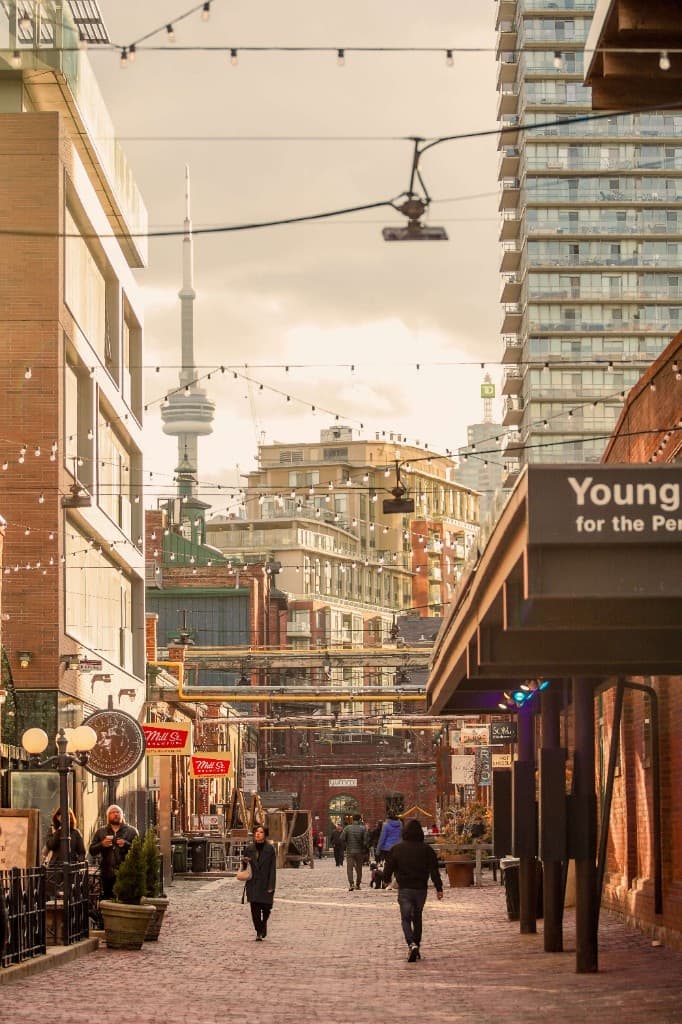
Downtown and the subway spine sell condos. The old-city house streets that still produce a first purchase sit further out, or they take two incomes.
| If you need | The product | Where it actually sits |
|---|---|---|
| Walk to work, or a subway | Condo apartment | King West, Liberty Village, Davisville, a smaller downtown unit |
| A first-time budget near the lake | Condo apartment | Lakeshore towers, Mimico, Exhibition |
| A yard inside the old city | House or freehold town | Junction, Mimico village, Leslieville, the Danforth. Two incomes or family help |
| More house than Toronto municipal tax | House in the 905 or Hamilton | Mississauga, Brampton, Pickering, Hamilton. Price the commute |
Streets, Walk Scores, and who each area is wrong for live in the best neighbourhoods in Toronto guide. Filter for first time buyers and a condo budget before you tour prestige streets.
6. First-time buyers close condos. Houses are a different file.
The typical first purchase is a condo between about $540,000 and $670,000, with roughly $40,000 to $55,000 cash at the minimum down. A house inside the old city is not that file.
Cash to close, the rebate stack, FHSA, and the Home Buyers’ Plan live in the first time home buyer in Toronto hub. The combined first-time rebate is still capped at $8,475.
| Sitting condo | Offer-night house | |
|---|---|---|
| Price | The comps, often under list | At or above list if traffic says so |
| Irrevocable | 24 to 48 hours | A few hours, often that evening |
| Conditions | Keep financing, status certificate, usually inspection | Each one you keep can lose the bid |
There is no cooling-off on a Toronto resale, house or condo; the ten-day pause is for a new unit from a declarant. The offer, waiver, and close sequence is in the steps to buying a house in Toronto.
7. Affordability is income, cash, and the monthly stack
About $125,000 to $140,000 of household income qualifies a typical Toronto condo with the minimum down. Detached inside the old city still takes well above $250,000, or family equity.
| On the July 2026 City HPI | Minimum down |
|---|---|
| Apartment, $551,900 | About $30,200 |
| Townhouse, $725,300 | About $47,500 |
| Detached, $1,455,200 | About $120,500 |
Same 5 / 10 / 20 ladder used on the first-time hub. Figures round the published HPI benchmarks, not a specific listing.
Five percent on the first $500,000, 10 percent on the next million, 20 percent above $1.5 million. The ladder is identical, and the house still takes a larger cheque because the price is higher.
A $1.45 million house and a $552,000 condo get the same rebate dollars, so the remaining tax at closing is much higher on the house. Lenders also count condo fees, and they count property tax, toward the ~39 percent gross debt service cap.
- Condo carry: mortgage, tax, and the common-element fee.
- House carry: mortgage, tax, and whatever the roof, furnace, and laterals cost when they fail.
- Under about $110,000 with no family help or a large FHSA, you are not buying inside Toronto this year without stretching past the stress test.
8. Maintenance is the fee versus the envelope
A house makes you the reserve fund. A condo bills you monthly, then can special-assess you if the study says the fund is short.
| Monthly cost | House | Condo, typical 650 sq ft |
|---|---|---|
| Common-element / maintenance fee | $0 | About $490 |
| Utilities in that fee (heat, water, sometimes hydro) | Your bills | About $123 when the building bundles them, 25% |
| Reserve fund | You pay when the roof, furnace, or laterals fail | About $98, 20% |
| Cleaning, repairs, grounds | You, when they fail | About $98, 20% |
| Building insurance | Your policy. Get a quote | About $74, 15% |
| Property management and admin | n/a | About $49, 10% |
| Amenities and security | n/a | About $49, 10% |
| Special assessment | n/a | Extra if the reserve is short |
Condo column is a typical 650 sq ft Toronto unit at about $0.75 per square foot, with the calculator’s approximate share of that fee. The listing’s budget is the file that matters.
Do not plug invented house insurance or maintenance round numbers into this comparison. Price the listing’s fee in the Toronto condo fee calculator, and use quotes for the house.
9. Investment and resale is the last twelve months, not a slogan
City of Toronto apartment HPI fell 7.09 percent in the year to July 2026, and detached fell 4.40 percent. That is the published path, not a lifetime return.
Twelve-month HPI change, not a forecast
- July 2026 HPI
- $551,900
- Year over year
- -7.09%
- Implied 12-month drop
- $42,116
Apartments fell harder in percent; detached still dropped more dollars because the base is larger. This is one published year, not a 6 percent house versus 4 percent condo slogan.
Apartments fell harder in percent; detached still dropped more dollars because the base is larger. Do not buy a house to chase a 6 percent versus 4 percent story that is not a filing.
| Condo apartment | House | |
|---|---|---|
| Twelve-month HPI | −7.09% on $551,900 | −4.40% detached on $1,455,200 |
| Q2 2026 liquidity | City of Toronto condos: 36 days, 97 percent of asking | Fewer listings. Offer nights still happen on the right street |
| August 2026 city file | Conditions market: 38.3 percent SNLR, 46 days on market | Same city split. The listing in front of you still writes the room |
| What you resell | A unit plus the corporation’s reserve, fees, and rules | The envelope, the laterals, and whatever you deferred |
TRREB, Condo Market Report, 2026 Q2: 3,174 City of Toronto apartment sales, average $667,916, median $560,000.
A short hold in a falling apartment HPI is a price risk. A short hold on a house you stretched to buy is an income risk. Fund the hold period you actually have.
10. A checklist you can actually use
Pick the constraint you will not bend, then pick the product on the listing. Commute, outdoor space, and price: you get two.
House versus condo desk
0/10
Tick each line against the listing in front of you. Commute, outdoor space, and price: you get two.
11. Condos do not get a cheaper tax rate
Toronto’s 2026 residential rate is 0.767311 percent for occupied houses and occupied condos. City 0.605295 percent, education 0.153000 percent, City Building Fund 0.009016 percent.
City staff wrote it in 2024: condominiums are considered as part of the residential property class. Vacant high-density land during construction can sit in multi-residential until occupancy, and that is the developer’s bill, not yours after you close.
| On the July 2026 City HPI, at 0.767311% | Estimated annual tax |
|---|---|
| Apartment, $551,900 CVA | About $4,235 |
| Townhouse, $725,300 CVA | About $5,565 |
| Detached, $1,455,200 CVA | About $11,166 |
| City worked example, $692,140 CVA | $5,311 |
City of Toronto, 2026 property tax rates; staff report backgroundfile-247399, 2 July 2024. Your bill uses MPAC’s current-value assessment, which is not always the purchase price.
Same 0.767311% rate. Different bill.
Occupied houses and occupied condos both sit in Toronto’s residential class. The gap is MPAC’s assessment, not a condo tax discount.
- Condo tax, annual
- $4,235
- House tax, annual
- $11,166
- Gap this year
- $6,931
Defaults are the July 2026 City of Toronto HPI apartment ($551,900) and detached ($1,455,200) figures. Your bill uses MPAC’s current-value assessment, which is not always the purchase price.
Multi-residential at 1.208792% is purpose-built rental with seven or more units under common ownership. It is not your occupied condo.
12. What the certificate binds
Anyone can request a status certificate. Condominium Act s. 76(6) binds the corporation to what that file says.
| House | Condo | |
|---|---|---|
| What you are buying | The envelope, laterals, and the lot | A unit plus a share of the corporation |
| The file that matters | Inspection, sewer camera, Property Information Report | Status certificate, then a suite walk if you want one |
| Common elements | You own them | Inspectors are not required to inspect them on a unit job |
| Keep the condition? | Yes, unless you can write the surprise cheque | Yes for the certificate. The suite report is secondary |
On a house the file is a visual inspection, a sewer camera, and Toronto’s Property Information Report. The home inspection when buying a house guide covers what that visual skips.
The corporation can charge up to $100 including tax and must issue the certificate within 10 days. Ranking pages skip s. 76(6).
In Bruce v. Waterloo North Condominium Corporation No. 26, 2023 ONSC 2995, the certificate did not adequately disclose a known watermain project. The unit was exempt from that special assessment for as long as that buyer owns it.
Condominium Authority of Ontario, status certificates; 2023 ONSC 2995; CAO guide on condo reserve funds.
What the status certificate has to answer
The corporation is bound by what the certificate says. A suite inspection does not replace this file.
Open a line. The $100, 10-day certificate is the building’s disclosure, not a brochure.
Corporations must study and fund major common-element repairs; if the reserve is short, owners can be special-assessed. That is the house-versus-condo difference that does not show up in a monthly fee screenshot.
FAQ
Is a condo townhouse a house or a condo?
It is a condo if a corporation owns the common elements. You still order a status certificate, pay fees, and can be special-assessed.
The bottom line
Buy the condo unless the house cash, the house tax bill, and the offer-night room all fit on paper. A yard is not a reason to stretch past the stress test.
Price City of Toronto HPI by type, not the blended average, and run tax at 0.767311 percent on both. Order the status certificate before you fall for the gym.
Then compare that all-in number to a house you can inspect this week, with a sewer camera, in a market where detached HPI still sits above $1.45 million inside the city.
Keep comparing
Follow our guides as a preferred source in Google Search
- First time home buyer in TorontoDown payment, HST rebate, occupancy vs closing, and where to start
- Home inspection when buying a house in TorontoNo provincial licence, CAHPI limits, the $214.79 permit search, sewer camera
- Steps to buying a house in TorontoThe 12 steps in order: first-time tests, pre-approval, offer, close
- Pre construction vs resale condos in TorontoTarion’s $20,000 condo backstop, $52,676 to $80,690 DCs, occupancy
- First time home buyer in VancouverPTT after the $8,000 cap, the 92-day occupancy rule, and where to start
- First time home buyer in MontrealWelcome tax after closing, the closed city grant, and where to start
- First time home buyer in CalgaryNo land transfer tax, no city grant, and a house you can actually close
- Interactive city comparisonSwitch any two of eight markets. Prices, tax, rent, climate.
- Toronto vs VancouverPrices, rents, land transfer tax, and the 2026 forecast
- Calgary vs TorontoWhy Alberta's no land transfer tax changes the maths
- Montreal vs TorontoWelcome tax, Quebec income tax, daycare, and language
- Vancouver vs CalgaryThe widest affordability gap between two Canadian cities
- Ottawa vs TorontoSame province, double LTT in Toronto, mill rate that almost cancels the cheaper house
- Halifax vs Toronto1.5% deed tax with no first-time rebate, and Kijiji rent is not the CMHC average
- Victoria vs TorontoNot a cheap alternative: Core houses, thirteen municipalities, 3.3% vs 0.3% vacancy
- Winnipeg vs TorontoRecord July prices, high mill rates, and $0 probate since 2020
Compare neighbourhoods
- The 25 Best Neighbourhoods in Toronto in 202625 areas with prices, Walk Scores, and boundary maps
- The 25 Best Neighbourhoods in Vancouver in 202625 areas, west side to east side, with boundary maps
- The 25 Best Neighbourhoods in Calgary in 202625 communities, inner city to lake suburbs
- The 25 Best Neighbourhoods in Montreal in 202625 areas, including how much French each one needs
- The 25 Best Neighbourhoods in Ottawa in 202625 areas, Greenbelt in or out, with boundary maps
- The 25 Best Neighbourhoods in Halifax in 202625 areas, peninsula to Dartmouth, with boundary maps
- The 25 Best Neighbourhoods in Victoria in 202625 areas across the municipalities, with boundary maps
- The 25 Best Neighbourhoods in Winnipeg in 202625 areas, walkable core to south-end new, with boundary maps